When Feelings Take Over
Some kids don't struggle with one particular feeling—they're hit by all of them at once. Here's how to help your child figure out what they're feeling, put words to it, and work through it without falling apart.
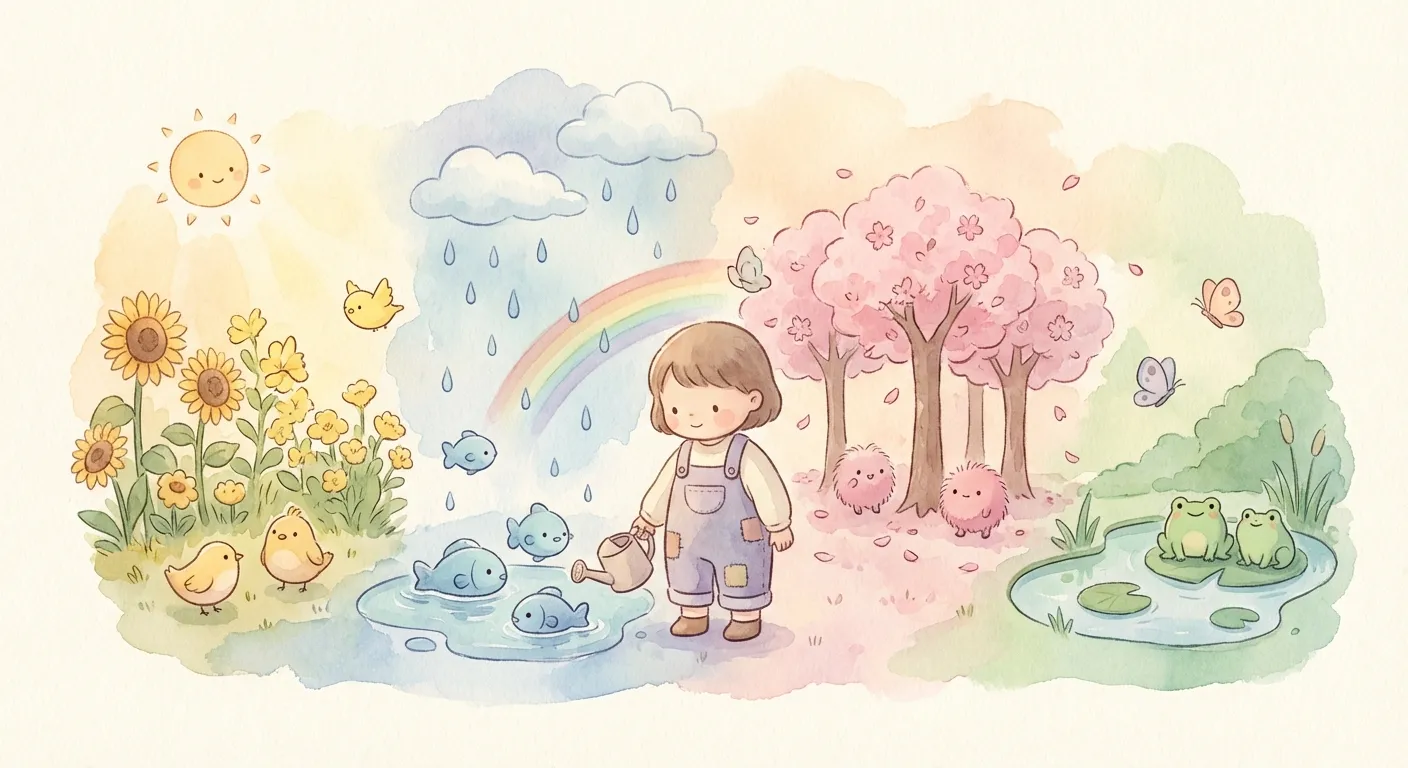
What Are Signs a Child Struggles With Emotional Regulation?
Kids who struggle with emotional regulation tend to have frequent meltdowns over small triggers, a hard time bouncing back from disappointment, big mood swings, physical aggression when frustrated, and emotional reactions that seem out of proportion for their age. These are signs your child needs help building their feelings vocabulary and coping skills.
Emotional regulation struggles aren't about being "bad" or "dramatic." Your child's nervous system just hasn't built the tools yet to sort through that overwhelming rush of feeling.
Emotional Signs
- Mood swings that flip fast—fine one minute, falling apart the next, no obvious reason
- Reactions that seem way too big for what actually happened
- Can't tell you what they're feeling, just that it's "bad"
- Feels happy and sad and angry all at the same time and can't sort it out
- Still upset long after the thing that triggered it is over
Behavioral Signs
- Full-blown meltdowns over things that seem tiny to everyone else
- Once they're upset, they can't come back down—even with your help
- Hits, kicks, or says hurtful things when emotions peak
- Completely shuts down and goes silent when feelings get too big
- Reacts on impulse before they've had a chance to think
Thinking Patterns
- Can't explain why they reacted that way once they've calmed down
- Treats every setback like the end of the world
- Can't imagine how they'll feel later—everything is about right now
- Thinks something is wrong with them for feeling so much
- Doesn't believe the feeling will ever go away
Remember: Big emotions don’t have a one-size-fits-all solution. Emotional regulation is a skill that builds over years—all the way through adolescence. The occasional meltdown is completely normal. It becomes a concern when meltdowns are frequent, intense, and getting in the way of your child's daily life and relationships.
How Can Parents Help a Child Manage Big Emotions?
Help your child with big emotions by naming feelings together, teaching calming techniques when things are calm (not mid-meltdown), staying steady yourself, setting up a calm-down space, and reading stories about characters who go through the same thing. This is a skill. It gets better with practice and support.
Emotional regulation is taught, not told. Kids learn these skills by being around a calm adult who models them consistently—long before they can handle emotions on their own.
Validate Before You Solve
When your child is in the middle of a meltdown, the thinking part of their brain has gone offline. Jumping to solutions or consequences won't land. Start by reflecting the feeling back: "You're really upset right now. That makes sense." Feeling understood is what activates the calm they need to think again. Problem-solving comes after.
Always connect first, then redirect. That order matters.
Use a Feelings Chart or Vocabulary Tool
A lot of kids don't have the words for what they're feeling, and that makes the chaos worse. A simple chart with faces and emotion words gives them something to point at when they can't explain what's going on inside. Over time, this actually builds the brain pathways for telling different feelings apart.
Stick a feelings chart somewhere visible—on the fridge or next to the bed works great.
Teach "I Feel" Statements
"I feel _______ because _______ and I need _______." It sounds simple, but it's a game-changer. Practice it at dinner or in the car—not during a meltdown. Kids who can put their inner experience into this format are way more likely to ask for what they need instead of acting it out.
Model it yourself first: "I feel frustrated because traffic was terrible, and I need five quiet minutes."
Avoid "Calm Down" and "You're Overreacting"
To a kid in the middle of a meltdown, "calm down" feels dismissive and "you're overreacting" feels like a slap. Both phrases imply they have control they genuinely don't have yet. What actually works: "I can see you're in a big feeling right now. I'm right here." Your steady presence does more than any words.
Your calm nervous system is the most powerful regulation tool you have. Full stop.
Create a Calm-Down Corner (Not a Punishment Corner)
Set up a spot with sensory tools—a weighted blanket, fidget items, a feelings chart, some calming pictures—where your child can go when everything gets too big. The key: introduce it when things are calm, and never use it as a punishment. When your child chooses to go there on their own, that's self-regulation in action. Celebrate it.
Let your kid help set it up. It works better when it feels like theirs.
Name It to Tame It
Dr. Dan Siegel's research shows something surprisingly simple: just putting a feeling into words—"I'm really angry right now"—lights up the thinking brain and dials down the alarm center. That's the science behind "name it to tame it." Teaching kids to label their emotions isn't a soft skill. It's a brain-based intervention that actually changes what's happening neurologically.
The goal is naming the feeling, not analyzing it. Keep it short and specific.
How Stories Help Children Find Their Emotional Compass
You can’t control what a child feels. But you can give them tools for what happens next.
This is why research-informed storytelling works for emotional regulation: it gives kids a map before they need one. When their own feelings get overwhelming, the hero's journey becomes something they can reach for internally.
When stories reflect your child's actual emotional world—their specific triggers, the intensity they feel, the confusion that swamps them—the narrative becomes a mirror. Kids don't just learn that emotions are manageable. They learn that they're the ones who can manage them.
of parents notice calmer responses to frustration within 3 weeks
to create a story tailored to your child
What Makes HeroMe Different
The Color Storm Made Visible
Emotions become swirling colors—a concrete, memorable metaphor that gives kids a way to describe what it feels like when everything hits at once.
Name It to Tame It
Each chapter is grounded in Emotional Differentiation and Labeling from CBT. Your child learns to find the one true color underneath the chaos—without it ever feeling like a lesson.
Mirrors Your Child’s Real Triggers
Stories use your child's name, their specific triggers, and the feelings that confuse them most. The hero's journey maps directly onto what your kid actually goes through.
Co-Regulation Conversation Starters
Every chapter includes prompts that help your child connect the story's feelings to their own—turning bedtime reading into real emotional skill-building.
The Mood Compass
The hero discovers a tool for finding the real feeling underneath the storm. Your child takes that tool with them into their own emotional moments.
Risk-free, cancel anytime
Emotional Regulation by Age
| Ages 3–5 | Ages 6–8 | Ages 9–12 | |
|---|---|---|---|
| Developmental stage | Co-regulation needed; limited self-regulation | Building self-regulation; still needs coaching | Developing independence; prefrontal cortex maturing |
| Common struggles | Meltdowns over transitions, sharing, minor changes | Frustration with losing, social disappointments | Mood swings, rumination, emotional overwhelm |
| Best strategies | Calm-down kits, emotion faces, co-regulation | Zones of regulation, belly breathing, stories | Mindfulness, cognitive reappraisal, emotional vocabulary |
| Parent role | Be the calm; model regulation visibly | Coach and guide; validate before redirecting | Mentor and sounding board; respect growing autonomy |
Frequently Asked Questions
Questions parents commonly ask about emotional regulation in kids.
Related Guides
Give your child a compass for the storm
Five minutes is all it takes. Create a personalized story that helps your child name their feelings, work through the chaos, and discover they're stronger than any emotion.
Create Your Free Story