That Quiet Voice Saying 'I'm Not Good Enough'
Low self-esteem doesn't announce itself. It's that quiet voice in your kid's head whispering they're not good enough. Here's how to spot it, talk back to it, and help your child see what you already see in them.
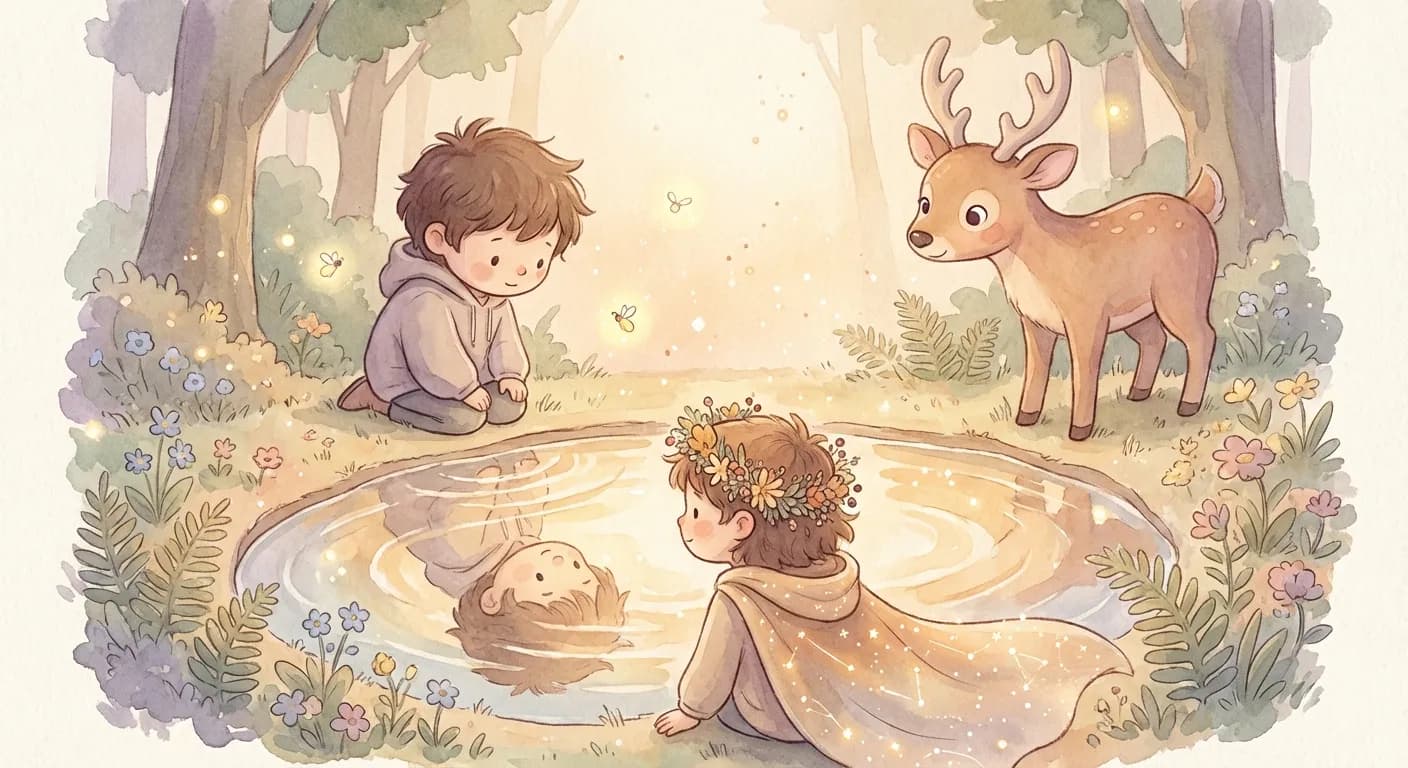
What Are Signs of Low Self-Esteem in Children?
You might hear things like 'I'm stupid' or 'I can't do anything right.' Your kid might dodge new challenges, need constant reassurance, get crushed by small criticisms, compare themselves to every other kid in the room, or quit the second something gets hard.
Low self-esteem doesn’t always look like sadness. Sometimes it hides behind perfectionism, or your kid refusing to try anything new, or brushing off every compliment you give them.
Emotional Signs
- Saying things like "I’m stupid" or "I can’t do anything right"—over and over
- Shrugging off compliments or acting like praise isn’t real
- Intense fear of messing up or looking silly in front of others
- Feeling like they’re somehow worse or more different than other kids
- Falling apart over even gentle corrections or light teasing
Behavioral Signs
- Won’t try new things because they’d rather not try than risk failing
- Quits fast when something gets hard—"I can’t" before they’ve really started
- Always measuring themselves against other kids and coming up short
- Refuses to do anything in front of other people if they can avoid it
- Checking in with you before every small decision—"Is this right? Is this okay?"
Thinking Patterns
- Perfectionism—if it’s not flawless, it’s garbage (in their mind)
- Black-and-white thinking: "If I’m not the best, I’m the worst"
- When something goes well, it was "just luck"—never their own doing
- Way harder on themselves than they’d ever be on a friend
- Can’t name a single thing they’re good at, even when asked directly
Remember: Self-worth develops differently in every child. Seeing a few of these doesn’t mean something is seriously wrong. Most kids go through patches of self-doubt. But if these patterns stick around and start affecting school, friendships, or everyday life, the right support can make a huge difference.
How Can Parents Build a Child's Self-Esteem?
Praise effort instead of results. Celebrate persistence, not perfection. Give them real responsibilities they can handle. Stop comparing them to siblings or classmates. And let them hear stories where someone like them actually wins. Real self-esteem comes from doing hard things—not from being told they’re great.
Building real self-esteem isn’t about cheerleading. It’s about helping your kid see an honest, specific picture of who they actually are—strengths and all.
Praise Effort and Character, Not Outcomes
"You’re so smart!" sounds great, but it can actually backfire. Kids start avoiding anything that might prove they’re not smart. Instead, point to what they did: "You worked so hard on that" or "I noticed you kept going even when it was frustrating." That builds confidence in things they can control.
Try: "I’m proud of how you stuck with it, even when it got really frustrating."
Avoid Empty Reassurance
When your kid says "I’m terrible at this," every instinct says to jump in with "No you’re not, you’re great!" But kids with low self-esteem just don’t buy it. What works better: acknowledge the feeling first, then guide them to find one real thing that went okay. "That sounds really frustrating. What’s one part you think actually went well?"
Specific, honest encouragement beats vague reassurance every time.
Build a Brag Box
One of the best tricks from CBT: help your kid collect actual proof of their strengths. Get a shoebox or jar and fill it with things—drawings they’re proud of, a note from a friend, a test they did well on, a time they tried something scary. When that inner critic pipes up, they’ve got real evidence to push back with.
Keep the box on their shelf where they can see it. Something physical feels way more real than a pep talk.
Name the Inner Critic
Give the mean voice in your kid’s head a name—something like "the Whisper Critic" or whatever they come up with. Once it has a name, it stops being "me" and becomes something separate they can argue with. "The Whisper Critic says I can’t do it, but I actually did it last Tuesday." That shift is huge.
Ask your kid to draw what their inner critic looks like. It almost always makes it feel smaller and sillier.
Create Low-Stakes Opportunities to Succeed
Kids with low self-esteem dodge new things because failing feels unbearable. So set them up for small, real wins in stuff they actually care about. Let them be the family’s card trick expert. Give them a chore they can own. Let them teach you something about their favorite game. Confidence grows from doing, not from being told.
Nothing builds real self-esteem like the experience of getting good at something through their own effort.
Watch Your Own Self-Talk
Kids absorb how you talk about yourself. If they hear you saying "I’m such an idiot" or "I can’t do anything right," that becomes normal. When you mess up, let them hear you be kind about it: "Oops, got that wrong. No big deal—I’ll try again." It sounds small, but they’re watching.
You’re the most powerful model your kid has for how to treat themselves. They’re always listening.
How Personalized Stories Rebuild the Inner Voice
Kids don’t build self-worth from compliments. They build it from seeing themselves succeed.
When your child hears about a hero who shares their name, likes the same things they do, and faces that same quiet doubt they carry around every day—something clicks. They watch this hero meet the Whisper Critic. They watch them fight back with evidence. They watch them realize the critic was lying all along.
That’s how research-informed storytelling works. Kids get to try on new beliefs about themselves from a safe distance. The hero’s victory plants a seed: maybe I can do that too.
of kids express more positive self-talk after completing a story arc
to create a story tailored to your child
What Makes HeroMe Different
The Whisper Critic Gets a Face
That mean inner voice becomes a character your child can see, name, and argue with. It’s no longer "me"—it’s something separate they can push back on.
Evidence-Based Confidence Building
Each chapter weaves in real CBT techniques—challenging negative beliefs, gathering counter-evidence—without ever feeling like a lesson.
Their Strengths Become Superpowers
Stories use your child’s real interests and abilities as the hero’s strengths. They see their own skills saving the day—not someone else’s.
Risk-free, cancel anytime
Self-Esteem Development by Age
| Ages 3–5 | Ages 6–8 | Ages 9–12 | |
|---|---|---|---|
| How it develops | Based on parental approval and mastery of small tasks | Influenced by school performance and peer comparison | Tied to identity, appearance, and social standing |
| Warning signs | "I can't do anything" statements, giving up quickly | Avoiding new activities, constant comparison | Negative self-talk, perfectionism, social withdrawal |
| Best strategies | Effort praise, autonomy in safe choices, unconditional warmth | Growth mindset language, skill-building, realistic goals | Strength identification, media literacy, authentic validation |
| Parent pitfalls | Over-praising outcomes instead of effort | Comparing siblings or classmates | Dismissing feelings or over-fixing problems |
Frequently Asked Questions
Common questions parents ask about childhood self-esteem.
Explore This Topic
Dive deeper into specific areas with our focused guides.
Your child's true story starts tonight
Five minutes is all it takes to create a story that helps your child talk back to that inner critic—and start seeing the hero they’ve always been.
Create Your Free Story